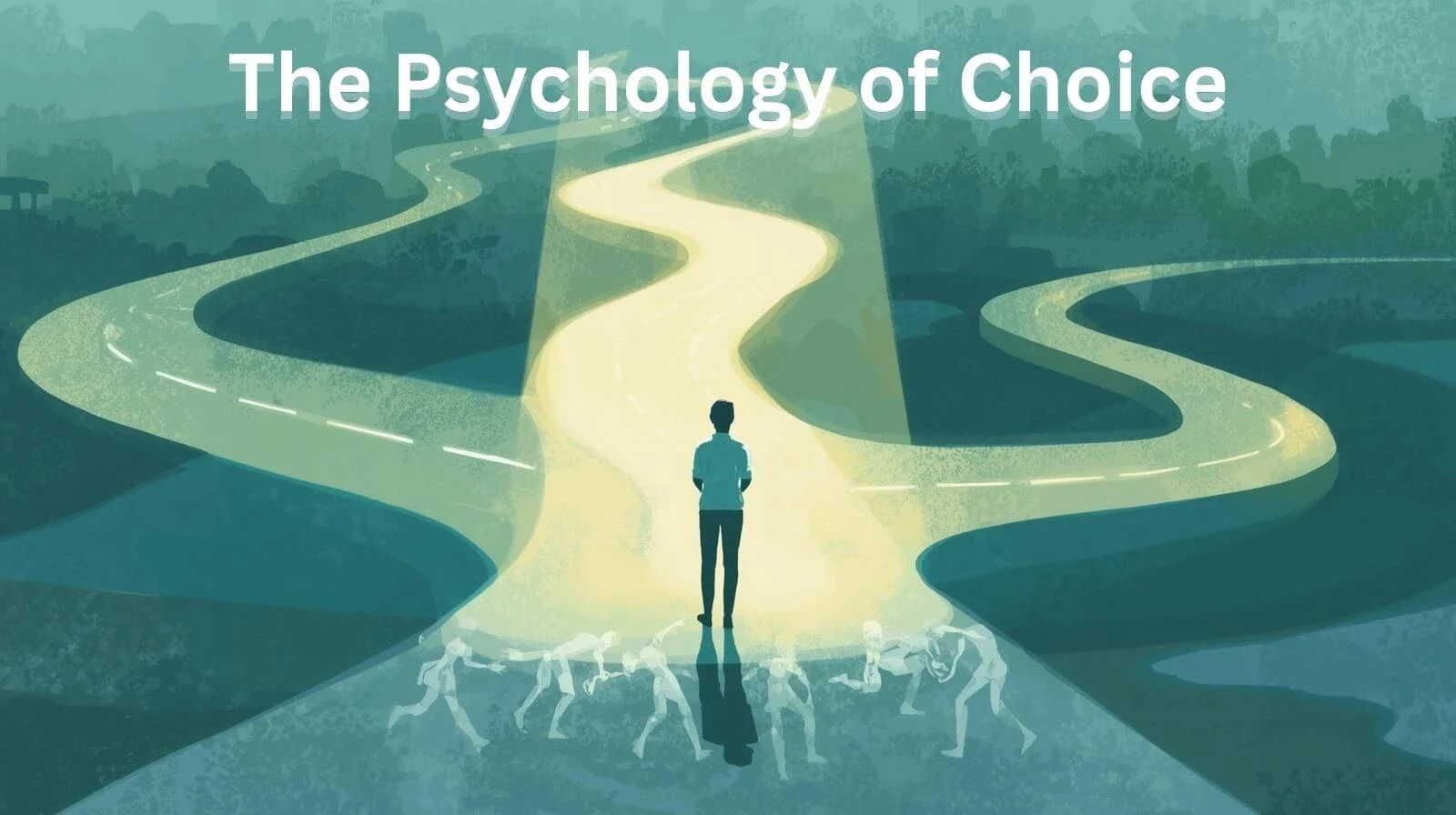
We make an estimated 35,000 decisions per day. From the moment we wake up to the second we fall asleep, our brains are constantly processing choices. What to wear, what to eat, which email to answer, what route to take to work. This constant barrage of decision-making comes at a cognitive cost—and science is now revealing that the simple act of spinning a wheel might be one of the most effective tools for preserving our mental energy and increasing our happiness.
The Hidden Weight of Daily Decisions
In 2024, researchers at Cornell University published a landmark study examining the cumulative effect of minor daily decisions on mental health. The findings were striking: participants who made more than 70 trivial decisions per day reported significantly higher cortisol levels and lower life satisfaction scores than those who streamlined their choice-making processes.
This phenomenon, known in psychological literature as "decision load," explains why you might feel exhausted after a trip to the grocery store or overwhelmed when faced with a restaurant menu. Your brain treats each choice as a computational problem, consuming glucose and mental resources with every deliberation.
🧠 The Science Snapshot
Cognitive Load Theory suggests that our working memory has limited capacity. Every decision you make occupies part of that capacity, leaving less room for creativity, problem-solving, and emotional regulation. By automating trivial choices, you free up mental bandwidth for what truly matters.
The Paradox of Choice: When More Options Mean Less Happiness
Psychologist Barry Schwartz famously articulated the "paradox of choice"—the idea that while some choice is undoubtedly better than none, more choice is not always better than less. In fact, excessive choice can lead to:
- Decision paralysis: Inability to choose at all
- Anticipated regret: Fear that whatever you choose will be wrong
- Decreased satisfaction: Even good choices feel less satisfying
- Elevated anxiety: Physical stress responses to choice situations
Schwartz's research, now replicated across 15 countries, demonstrates that maximizers—people who seek the absolute best option—experience significantly lower life satisfaction than satisficers—those who accept "good enough." This is where random decision-making tools become psychologically transformative.
Why "Good Enough" Beats "Perfect"
A random spin wheel forces you into a satisficing mindset. When you delegate a choice to chance, you're implicitly accepting that multiple options are acceptable. This psychological shift has profound implications:
- Removes the burden of optimization: You're no longer responsible for finding the "best" option
- Eliminates post-decision regret: How can you regret something chosen by chance?
- Creates psychological distance: The wheel becomes an external decision-maker
- Introduces playful uncertainty: Turns mundane choices into mini-adventures
This aligns perfectly with the growing movement toward "cognitive offloading"—using external tools to reduce mental strain. Just as we use calculators to offload mathematical computation, we can use decision wheels to offload choice computation.
The Dopamine Factor: Why Randomness Feels Good
There's another neurological layer to this phenomenon. The human brain releases dopamine—the "feel-good" neurotransmitter—in response to unpredictable rewards. This is why slot machines are addictive and why mystery boxes are popular.
When you spin a wheel, your brain experiences a small dopamine hit during the moments of uncertainty. Unlike gambling, however, the stakes are low and the outcomes are benign. You're essentially hacking your reward system to make mundane decisions feel exciting. As one study participant noted, "Spinning the wheel to decide what to eat makes the meal feel like an adventure, even if it's just a sandwich."
🎡 The Anticipation Effect
Research in behavioral neuroscience shows that the anticipation of a random outcome activates the same brain regions as actually receiving a reward. This means that the process of spinning and waiting for the result is itself pleasurable—regardless of the outcome.
Random Decision-Making as a Form of Mindfulness
Paradoxically, surrendering control to randomness can be a form of mindfulness practice. When you let a wheel decide, you're forced to:
- Accept the present moment without judgment
- Release attachment to specific outcomes
- Embrace uncertainty with equanimity
- Find joy in unexpected results
These are, of course, core principles of mindfulness meditation. By practicing "random acceptance" with small daily choices, you build psychological flexibility that carries over to more significant life challenges. It's mindfulness training disguised as a game.
Ready to Lighten Your Mental Load?
Experience the psychological freedom of random decision-making. Create your first wheel in seconds—it's free and scientifically proven to reduce stress.
🎰 Create Your Free Decision Wheel